Word
electricity
Phoneticselec·tric·i·ty
US/ɪˌɫɛkˈtɹɪsəti/
UK/ɪlɛktɹˈɪsɪtˌi/
Definitions
01energy and power
A2 · Elementary Uncountable noun Science
n. a form of energy that flows through wires and provides power for lights and machines.
n. a physical phenomenon caused by the movement of charged particles, used as a source of power for appliances and industrial machinery.
日本語:電気※
Español:electricidad
“The storm knocked down several trees and we lost electricity for three days.”
“The national grid was under immense pressure as the demand for electricity surged during the coldest week of the winter.”
Usage
Usually uncountable; often used with verbs like 'generate', 'supply', or 'conduct'.
02utility supply
B1 · Intermediate Uncountable noun
n. the supply of power to a building as a service you pay for.
n. the provision of electrical power as a public utility or commercial service.
日本語:電気※
“The landlord includes the cost of electricity in the monthly rent.”
“The government announced a new subsidy to help low-income households manage the rising cost of electricity and heating.”
Usage
Often used as an attributive noun, as in 'electricity bill' or 'electricity company'.
03excitement
B2 · Upper Intermediate Uncountable noun
n. a strong feeling of excitement or energy in a place or between people.
n. a state of intense emotional excitement or tension within a group or between individuals.
Español:electricidad
“You could feel the electricity in the crowd as the band walked onto the stage.”
“There was a palpable sense of electricity in the courtroom as the jury prepared to deliver the final verdict.”
Teaching tip
This is a common metaphorical use; it describes a mood that feels 'charged' or 'sparky'.
Synonyms
Antonyms
Collocations
Common phrases and expressions where native English speakers use the word “electricity” in context.
Etymology
From electric + -ity.
Etymology adapted from Wiktionary, available under CC BY-SA 4.0.
Word family
NOUN
ADJECTIVE
ADVERB
Related words
In Music
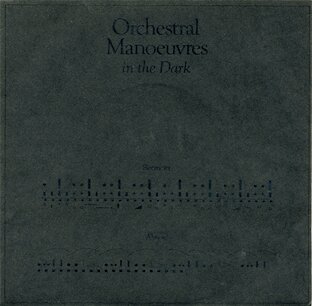
Cover shown under fair use for identification and commentary.
Electricity · 1979 · Synth-pop
- Artist:
- Orchestral Manoeuvres in the Dark
- Album:
- Orchestral Manoeuvres in the Dark
Orchestral Manoeuvres in the Dark released this influential synth-pop track in 1979. The title refers to the literal sense of energy and power, reflecting the band's fascination with modern technology and electronic sound. It is now considered a classic of the early electronic music movement.
Domains
- Exam level
- CambridgeCambridgeCambridge English QualificationsThe exam suite from Cambridge University Press & Assessment, from A1 Movers up to C2 Proficiency. The benchmark names double as CEFR labels.A2 KeyIELTSIELTSInternational English Language Testing SystemThe 0–9 band test co-owned by the British Council, IDP, and Cambridge. Used for university entry, work, and migration.3.0–4.0TOEFL iBTTOEFL iBTTest of English as a Foreign Language, Internet-Based TestETS's academic English test, the standard route for US university admissions. Scored 0–120, with a 1–6 scale since 2026.1–6 scale: 2.0–2.524–43TOEICTOEICTest of English for International CommunicationETS's workplace English test, big in Japan and Korea. Listening & Reading scores 10–990 and tops out at C1.225–549
- Frequency
- Common
- Level
- A2 · ElementaryOxford
- Updated
- アルファベット
- 読み方の一覧 →
QR code
englishreference.com/q/electricity
※ 機械で選んだ訳語です。ネイティブスピーカーによる確認はまだです。
「日本語」 data: JMdict (EDRDG), CC BY-SA 4.0
Traducciones: Kaikki.org (Wiktionary), CC BY-SA 4.0