Word
innocence
Phoneticsin·no·cence, stress on the first syllable
US/ˈɪnəsəns/
UK/ˈɪnəsəns/
Definitions
01not guilty of a crime
B2 · Upper Intermediate Uncountable noun Law
n. the fact that you have not done anything wrong or illegal.
n. the state or quality of being guiltless of a specific crime or offence. Uncountable in its legal sense.
“The lawyer worked for years to prove the man's innocence and get him out of prison.”
“The defendant maintained his innocence throughout the trial, insisting that the forensic evidence had been misinterpreted by the prosecution's lead witness.”
Synonyms
Antonyms
02lack of worldly knowledge
B2 · Upper Intermediate Uncountable noun
n. a lack of experience or knowledge about the bad or complicated parts of life.
n. a lack of worldly experience, sophistication, or knowledge regarding adult themes such as sexuality or corruption.
“The children played with a sweet innocence, unaware of the problems their parents were facing.”
“The novel explores the loss of childhood innocence as the protagonist is forced to confront the harsh realities of the Great Depression.”
Synonyms
Antonyms
03harmlessness
C1 · Advanced Uncountable noun Formal
n. the quality of not being dangerous or not intending to hurt anyone.
n. the quality of being harmless or lacking the intention to cause injury or damage.
“Despite his scary appearance, the dog's innocence was clear from his wagging tail.”
“The committee was eventually convinced of the innocence of her intentions, concluding that the administrative errors were accidental rather than malicious.”
Synonyms
Antonyms
Real-World Examples
“At one level, innocence can be considered a refined form of ignorance.” “Spain captain Rodri had also stressed his belief in the club's innocence in a news conference on Friday.” “Manchester City maintain their innocence and are expected to appeal .” Etymology
Inherited from Middle English innocence, from Old French innocence, inocence, from Latin innocentia. Doublet of innocency. Displaced native Old English unsċyld.
Etymology adapted from Wiktionary, available under CC BY-SA 4.0.
Word family
NOUN
ADJECTIVE
ADVERB
In Literature
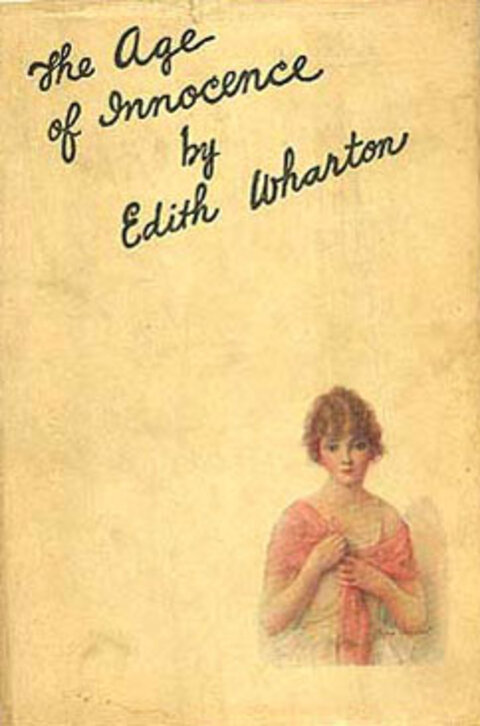
Cover: Public domain, via Wikimedia Commons — Unknown authorUnknown author; Anonymous artist.
The Age of Innocence · 1920-01-01 · Novel of manners, romance
- Author:
- Edith Wharton
Edith Wharton’s Pulitzer Prize-winning novel explores the rigid social codes of 1870s New York high society. The title refers to the sheltered, naive nature of this elite world, where characters like Newland Archer struggle between their personal desires and the strict expectations of a community that avoids anything scandalous or unpleasant.
- Exam level
- CambridgeCambridgeCambridge English QualificationsThe exam suite from Cambridge University Press & Assessment, from A1 Movers up to C2 Proficiency. The benchmark names double as CEFR labels.B2 FirstIELTSIELTSInternational English Language Testing SystemThe 0–9 band test co-owned by the British Council, IDP, and Cambridge. Used for university entry, work, and migration.5.5–6.5TOEFL iBTTOEFL iBTTest of English as a Foreign Language, Internet-Based TestETS's academic English test, the standard route for US university admissions. Scored 0–120, with a 1–6 scale since 2026.1–6 scale: 4.0–4.572–94TOEICTOEICTest of English for International CommunicationETS's workplace English test, big in Japan and Korea. Listening & Reading scores 10–990 and tops out at C1.785–944
- Frequency
- Frequent
- Level
- B2 · Upper Intermediate
- Updated
- アルファベット
- 読み方の一覧 →
QR code
englishreference.com/q/innocence